top of page

Which Protective Pattern Would You Like To Overcome?

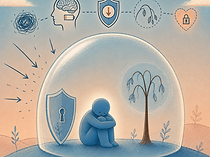
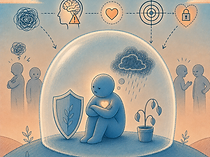
We all develop some sort of patterns, automatic ways of thinking, feeling, and behaving to help us navigate challenges, avoid pain, or feel safe. This is how our human brains save energy.


At one time, these patterns may have served an important purpose. But over time, the strategy that once protected us may have rigidified, narrowing our perception of what is possible, distorting how we read situations and relationships, and pulling our decisions toward what once kept us safe, but away from what we actually need to be happier.

You don’t have to stay stuck in those patterns. Change is absolutely possible — even for deeply ingrained patterns. Thanks to the brain’s capacity for neuroplasticity, new neural pathways can be formed at any age.​​​​​

Emotional Dependency

You need constant contact, reassurance, or attention from close relationships to feel okay.

Intimacy Avoidance

You keep most interactions at a surface level and steers away from intimacy or vulnerability.

Control

You often attempt to control or dictate situations or relationships.

Overactive Anger

You often react to frustration with visible intensity, such as raising the voice, arguing, or showing irritation.

Self-Effacement & Shyness

You tend to avoid visibility by staying small, quiet or in the background.

Dependency & Underfunctioning

You constantly rely on others to lead, decide, or motivate action.

People Pleasing

You tend to prioritize others' needs and aproval, at the expense of your own boundaries.

Chronic Suspicion

You cannot help questionning others’ intentions and double-check ing information.

Overfunctioning & Rescuing

You often take on more responsibility than your fair share in relationships, in order to "fix" or "rescue" others.

Conflict Avoidance

You tend to avoid conflicts and arguments at all costs, often to maintain peace and superficial harmony.

Judgmental

You regularly point out what’s wrong or could be improved in others or situations.

Defensiveness & Blame Shifting

You often react to feedback by explaining, justifying, or pointing out others’ faults.

Passive Agressiveness

You often express discontent indirectly through sarcasm, withdrawal, or subtle resistance.

Not Sure Which Pattern You Should Work On?

Take The Patterns Quiz!

bottom of page